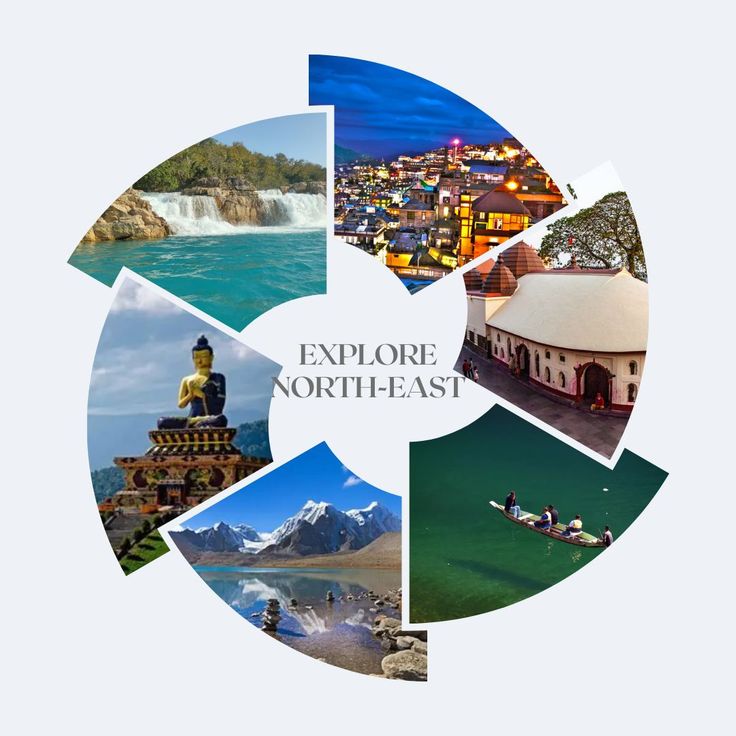
Northeast India is one of the most beautiful and culturally rich regions of the country. Known as the “Seven Sisters”, this region consists of seven unique states connected by landscapes of mountains, rivers, forests, and vibrant tribal cultures. Despite being less explored compared to other parts of India, the Seven Sisters offer unforgettable experiences for travelers, nature lovers, and culture enthusiasts.
Seven Sisters of Northeast India
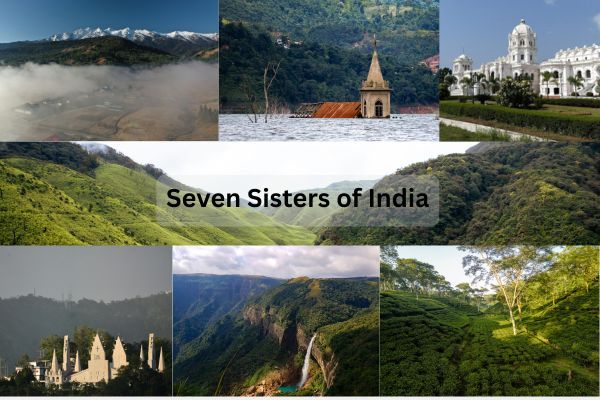
Seven Sisters of Northeast India refer to the seven beautiful and culturally rich states located in the northeastern part of the country—Arunachal Pradesh, Assam, Manipur, Meghalaya, Mizoram, Nagaland, and Tripura. Connected to the rest of India by a narrow corridor, this region is known for its breathtaking landscapes, lush green hills, mighty rivers, dense forests, and vibrant biodiversity. Each state has its own unique traditions, festivals, languages, and cuisines, reflecting a deep tribal heritage and cultural diversity. From the tea gardens of Assam and the living root bridges of Meghalaya to the pristine valleys of Arunachal Pradesh and colorful festivals of Nagaland and Manipur, the Seven Sisters together form one of India’s most enchanting and lesser-explored regions, offering a perfect blend of natural beauty, culture, and history.
What Are the Seven Sisters of Northeast India?
These states are geographically connected and share historical, cultural, and ethnic similarities, while each maintains its own distinct identity. The term Seven Sisters refers to the following seven states:
Assam
Arunachal Pradesh
Meghalaya
Manipur
Mizoram
Nagaland
Tripura
Assam: The Gateway to Northeast India
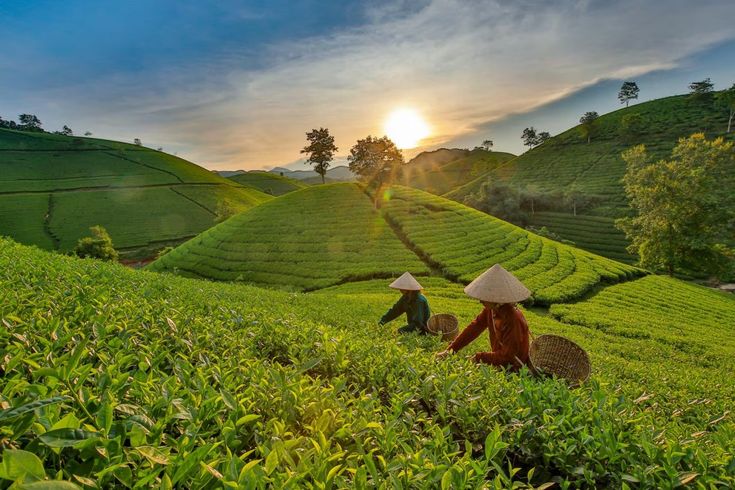
Assam is often called the Gateway to Northeast India because it serves as the main entry point to the entire northeastern region. Situated along the mighty Brahmaputra River, Assam is known for its vast tea gardens, rich wildlife, and deep cultural heritage. The state is famous worldwide for Assam tea and is home to Kaziranga National Park, a UNESCO World Heritage Site known for the one-horned rhinoceros. With vibrant festivals like Bihu, diverse ethnic communities, and a strategic geographical location connecting all Seven Sisters of Northeast India, Assam plays a crucial role in the culture, economy, and connectivity of Northeast India.
Top attractions:
- Kaziranga National Park (One-horned Rhinoceros)
- Majuli (world’s largest river island)
- Kamakhya Temple
Assamese culture is deeply rooted in music, dance (Bihu), and festivals.
Arunachal Pradesh: Land of the Rising Sun
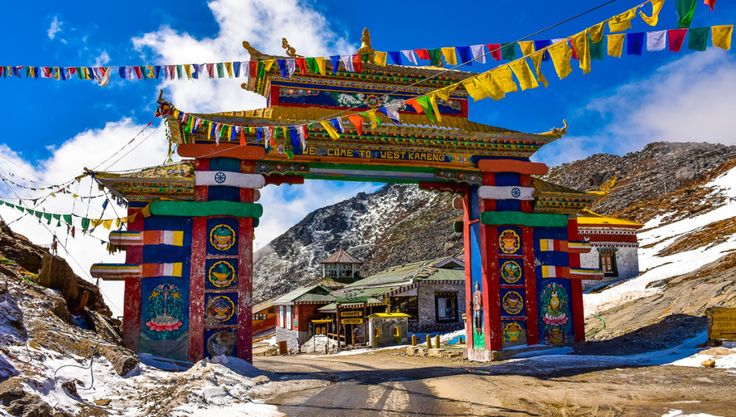
Arunachal Pradesh is known as the Land of the Rising Sun because it is the first Indian state to witness sunrise. Nestled in the eastern Himalayas, this state is celebrated for its snow-capped mountains, lush valleys, pristine rivers, and rich tribal culture. Arunanchal pradesh also known as for heaven on earth. Home to diverse indigenous tribes, Arunachal Pradesh offers a unique blend of natural beauty and ancient traditions. With attractions like Tawang Monastery, scenic passes, and untouched landscapes, the state stands as one of India’s most peaceful and breathtaking destinations. And this state proudly counts in Seven Sisters of Northeast India.
Top attractions:
- Tawang Monastery
- Ziro Valley
- Sela Pass
The state is home to numerous tribes, each with its own traditions and lifestyle.
Meghalaya: The Abode of Clouds
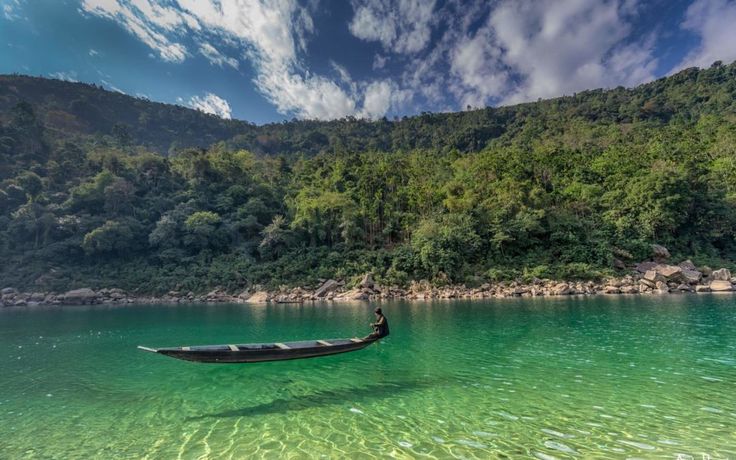
Meghalaya, meaning The Abode of Clouds, is renowned for its misty hills, rolling plateaus, and abundant rainfall. Located in Northeast India and also known in Seven Sisters of Northeast India the state is famous for its living root bridges, breathtaking waterfalls, and lush green landscapes. Places like Cherrapunji and Mawsynram are known among the wettest regions on Earth. With a rich Khasi, Garo, and Jaintia tribal culture, pleasant climate, and stunning natural beauty, Meghalaya is one of the most enchanting and eco-friendly destinations in India.
Top attractions:
- Shillong
- Cherrapunji & Mawsynram
- Living Root Bridges
Meghalaya’s matrilineal society makes it culturally unique in Seven Sisters of Northeast India.
Manipur: The Jewel of India
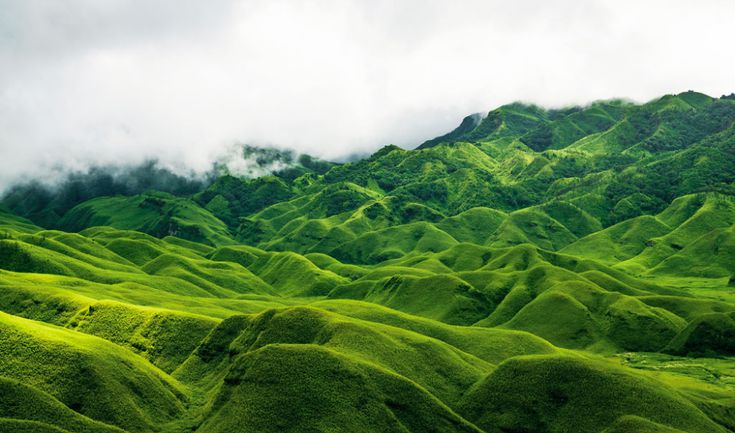
Manipur, often called the Jewel of India, is a state of serene beauty, rich traditions, and deep cultural roots. Nestled among rolling hills and centered around the picturesque Loktak Lake, Manipur is known for its classical dance form Manipuri, vibrant festivals, and historic heritage. The state’s harmonious blend of nature and culture makes it one of the most graceful destinations in the region. As an integral part of the Seven Sisters of Northeast India, Manipur adds cultural elegance and timeless charm to this diverse and breathtaking group of states.
Top attractions:
- Loktak Lake (floating islands)
- Imphal
- Kangla Fort
Manipuri dance is one of India’s major classical dance styles.
Mizoram: The Land of Blue Mountains
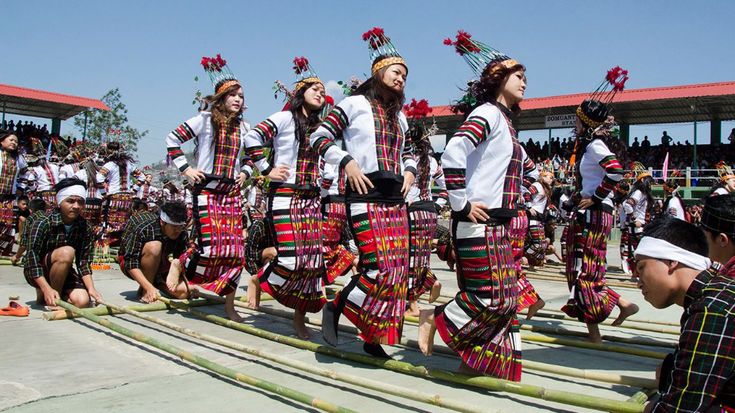
Mizoram, known as the Land of Blue Mountains, is a picturesque state marked by rolling hills, deep valleys, and a peaceful way of life. Covered with bamboo forests and scenic landscapes, Mizoram is home to the vibrant Mizo culture, colorful festivals, and rich traditions. The state is admired for its cleanliness, discipline, and natural beauty. As a vital part of the Seven Sisters of Northeast India, Mizoram adds serenity, cultural harmony, and untouched charm to the region’s diverse identity.
Top attractions:
- Aizawl
- Vantawng Falls
- Phawngpui Peak (Blue Mountain)
Mizo culture emphasizes community living and simplicity.